Frequently Asked Questions
Find answers about our products, technology and services.
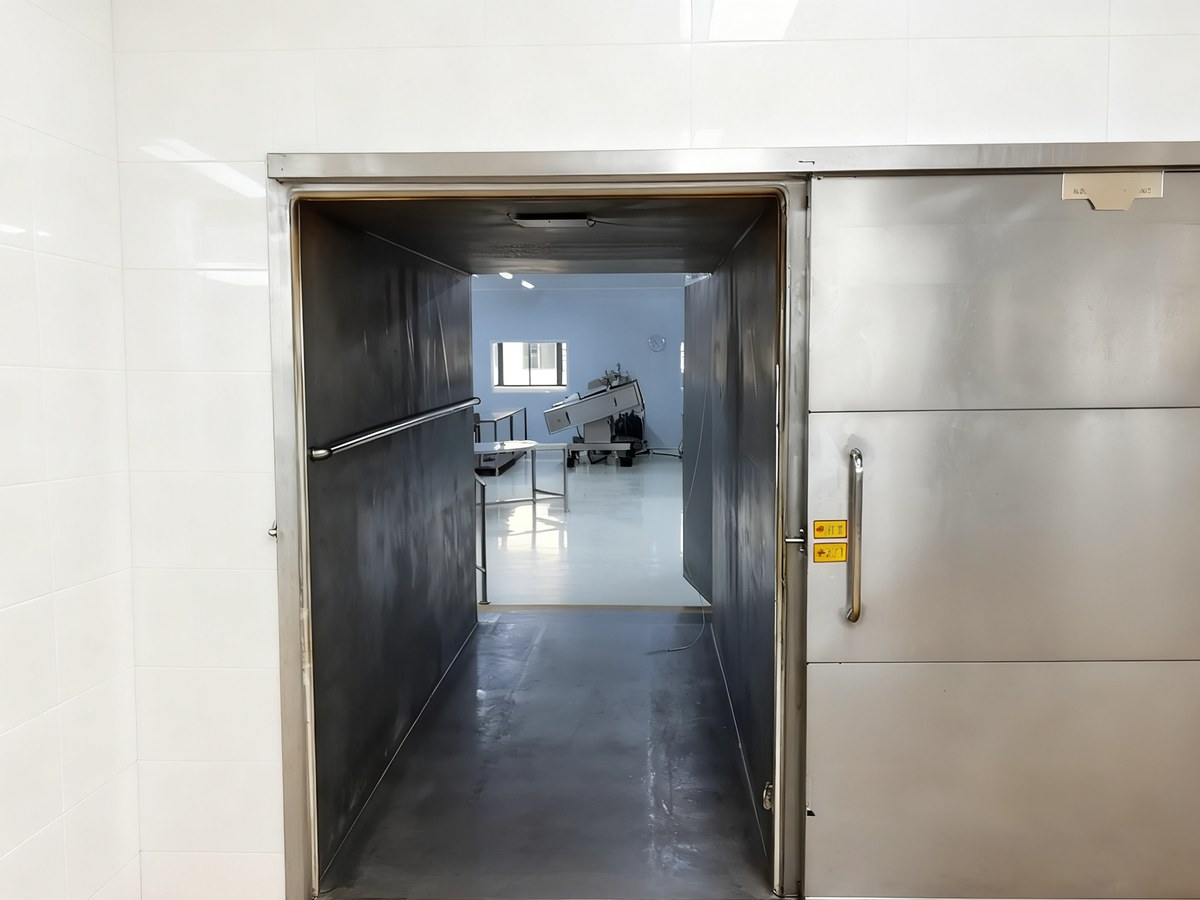
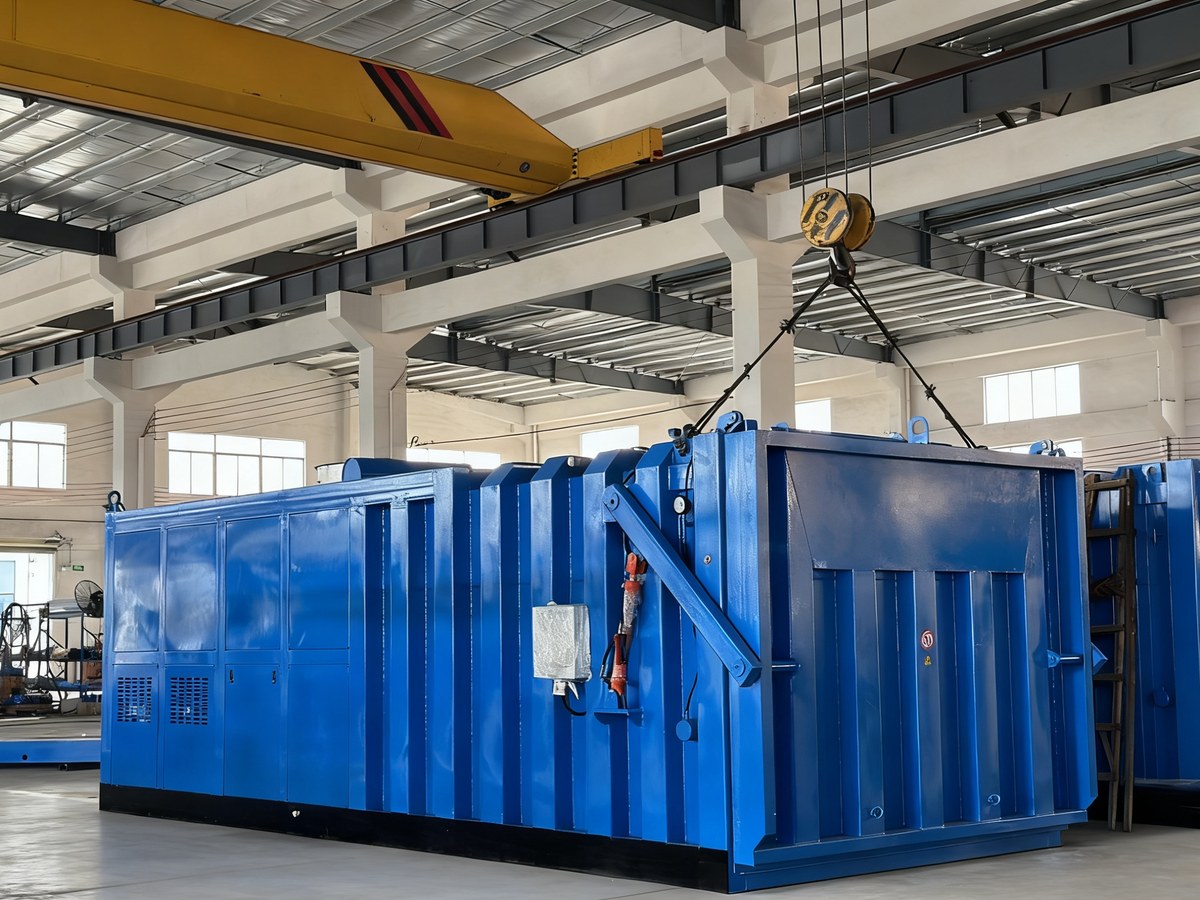
20–30 minutes for most leafy greens. A vegetable vacuum cooler works by reducing chamber pressure to approximately 660 Pa (4.6 mmHg), at which point water boils at 0°C. As surface moisture evaporates, it draws latent heat from the product. Leafy greens (lettuce, spinach, bok choy) cool from 30–35°C field temperature to 2–4°C within 20–30 minutes. Mushrooms, cut flowers, and berries take slightly longer (30–40 minutes). By contrast, cold room cooling takes 6–12 hours and forced-air cooling 2–4 hours — vacuum pre-cooling is 10–20× faster.
2–4% water loss — no visible wilting. Vacuum cooling removes roughly 1% moisture for every 6°C of temperature drop. Going from 30°C to 2°C theoretically requires ~4.7% water loss. However, moisture is removed uniformly from the interior and surface simultaneously — unlike forced air which dries the surface first and can cause skin cracking. As long as water loss stays under 5%, leafy greens show no visible wilting. For delicate products (spinach, cilantro), pre-spraying a fine mist before loading reduces water loss and improves cooling speed.
Yes, in 15–20 minutes. The CVF series food vacuum cooler handles 90°C braised meats (beef brisket, chicken wings, eggs) to a core temperature below 10°C in about 15 minutes. Baked goods (bread, mooncakes, pastries) — which have lower moisture content — take 20–25 minutes. Compared to natural cooling (3–5 hours) or blast chilling (1–2 hours), vacuum cooling is 5–10× faster. The key benefit: foods pass through the danger zone (60–20°C) in minutes, extending shelf life from 2–3 days to 7–10 days when combined with vacuum packaging.
They serve different purposes and produce different product forms. A vegetable vacuum cooler is for rapid cooling for short-term preservation (3–14 days), keeping products fresh and chilled (2–4°C) with only 2–4% water loss, in cycles of 20–40 minutes per batch. A freeze dryer is for complete dehydration for ambient storage (1–5 years), removing 95%+ moisture in 20–30 hours per batch. Vegetable vacuum coolers are best for leafy greens, mushrooms, cooked food, and bakery. Freeze dryers are best for fruits, pet food, instant coffee, and functional foods. They cannot replace each other. Some operations use both: pre-cooling first to remove field heat, then freeze-drying for final processing.
Vacuum pre-cooling has the lowest total energy cost per batch. For 100 kg of vegetables: Cold room cooling (6–12 hrs) uses ~15–25 kWh — compressor runs continuously. Forced-air cooling (2–4 hrs) uses ~8–12 kWh — large fans plus compressor. Vacuum pre-cooling (20–30 min) uses ~6–8 kWh — vacuum pump plus refrigeration. Although the vacuum pump has a higher instantaneous draw (7.5–15 kW), the short run time (1/20th to 1/30th of cold room cooling) makes it the most energy-efficient method overall.
Routine maintenance takes 15–20 minutes per week. No specialist required for daily operations. Daily: Check vacuum pump oil level (sight glass), clean chamber residue. Weekly: Inspect oil color — white/cloudy indicates moisture contamination, black indicates wear. Clean condenser fins. Monthly: Check vacuum valve seals for wear, clean control cabinet cooling fan filters. Semi-annual: Replace vacuum pump oil (4–6L, Leybold/Busch spec). When to call an engineer: Vacuum level won't reach target (seal or pump issue), refrigeration alarm (compressor protection), control system fault.
Vacuum cooler prices range depending on capacity and configuration. Small models for farms and labs start at lower price points, while large industrial systems for mega distribution centers are at higher ranges. Contact our sales team for a quotation tailored to your specific capacity and configuration requirements.
Yes, if the packaging has ventilation holes. Cardboard boxes should have 4–8 holes (2–3 cm diameter). Plastic wrap must be perforated or use micro-perforated bags. Mesh bags (onion sacks), woven bags, and ventilated foam boxes all work. Not suitable: Fully sealed packaging (vacuum-sealed bags, foil pouches, sealed plastic tubs, sealed foam boxes) — the internal air expands under vacuum and may burst the packaging. Workaround: cool first, then seal — run the product through vacuum cooling unpackaged, then vacuum-seal and transfer to cold storage.
Vacuum cooling is a rapid cooling technology that uses evaporative cooling under vacuum conditions to remove heat from fresh produce or cooked food. By reducing the pressure in a sealed chamber, water on the product surface evaporates at low temperature, quickly removing heat. It is 6-10x faster than forced-air cooling and achieves uniform temperature reduction throughout the product.
Vacuum pre-cooling is significantly faster (20-40 minutes vs 3-6 hours for forced-air), more uniform (cools the entire batch evenly), and results in less weight loss (<2% vs 3-5%). It also removes field heat immediately after harvest, which is critical for extending shelf life. Forced-air cooling requires cold air to penetrate through packaging, while vacuum cooling works from the inside out as moisture evaporates from the entire product surface.
The target temperature depends on the product. Most leafy greens and herbs are cooled to 0-4°C. Berries and mushrooms to 2-4°C. Broccoli and cauliflower to 0-2°C. The vacuum pre-cooler can be set to any target temperature from 0°C to 15°C depending on your cold chain requirements.
Products with high surface-area-to-volume ratio and high moisture content benefit most. This includes leafy greens (lettuce, spinach, kale), herbs (cilantro, basil, mint), mushrooms, broccoli, cauliflower, berries, and cut flowers. Vacuum cooling is also highly effective for cooked foods like soups, stews, sauces, rice, pasta, and baked goods.
Yes, vacuum cooling is excellent for cooked meat and poultry products. After cooking, meat must be cooled through the danger zone (60°C to 10°C) quickly to prevent bacterial growth. Vacuum cooling achieves this in minutes rather than hours, making it ideal for HACCP compliance. However, raw meat is not typically vacuum cooled as the weight loss from evaporative cooling may affect yield.
The main difference is the incoming product temperature. Vacuum pre-coolers handle fresh produce at ambient temperature (25-30°C), while food vacuum coolers are designed for hot cooked food (80-90°C). Food vacuum coolers require a two-stage vacuum system (water ring pump + rotary vane pump) to handle the large volume of steam generated during cooling, and may need dual-stage water catchers for high-temperature applications.
Our vacuum pre-coolers range from CVF-1000 (200-400 kg/batch) to CVF-6000 (2000-2500 kg/batch). Our food vacuum coolers range from CVF-50 (50 kg/batch) to CVF-1000 (1000 kg/batch). The actual capacity depends on the product type, initial temperature, and desired final temperature. Contact our engineering team for a specific capacity calculation.
The cost depends on capacity, configuration, and application. A CVF-50 food Industrial For an exact quote, contact us with your product type, batch size, and target temperature requirements.
Rapid vacuum pre-cooling can significantly extend shelf life for most produce when combined with proper cold-chain management. Actual shelf-life extension depends on crop variety, initial quality, cooling temperature, humidity and cold-chain conditions. In controlled trials: lettuce 14-21 days vs 5-7 days (no pre-cooling), mushrooms 7-10 days vs 2-3 days, broccoli 21-28 days vs 7-10 days. Maintaining the cold chain after pre-cooling is essential to realize the full benefit.
Yes, we export worldwide. Our equipment ships to Southeast Asia, the Middle East, Europe, North and South America, and Africa. We have CE certification and can provide compliance documentation for your region. We offer multilingual support, remote commissioning, and global warranty service.
Freeze drying (lyophilization) freezes the product first, then sublimates ice directly to vapor under vacuum, removing 95-99% of moisture. This preserves the product's structure, nutrients, and flavor for years without refrigeration. Vacuum cooling only removes 1-3% moisture to rapidly cool the product for short-term cold chain preservation (days to weeks). Freeze drying is for long-term storage; vacuum cooling is for fresh supply chain management.
A complete vacuum pre-cooling cycle typically takes 20-40 minutes from chamber loading to product reaching target temperature. The actual time depends on the product (leafy greens cool faster than dense vegetables), initial temperature, batch size, and target temperature. Our CVF series includes automatic cycle control that stops precisely when the target temperature is reached.
For effective cooling, the product needs at least 60% surface moisture. Products with dry surfaces (nuts, grains, dried goods) will not cool effectively because there is insufficient water for evaporative heat transfer.
Yes. Typical workflow: vacuum pre-cool → pack under modified atmosphere → cold chain. The rapid cooling minimizes the window for bacterial growth before packaging, maximizing shelf life extension.
Published studies show no significant loss of water-soluble vitamins (vitamin C) in vacuum-cooled vegetables compared to fresh-harvested controls. Some studies show better vitamin retention than room cooling because oxidation slows at low temperature.
Yes. The CVF-series uses programmable pressure curves. You can save profiles for different products — leafy greens, mushrooms, or cooked meat — and switch between them with a menu selection. Multi-product batches must be grouped by similar moisture content and target temperature.
Yes. No chemical treatments or preservatives are involved. The cooling is purely physical — evaporative cooling under reduced pressure. Many organic farms use vacuum pre-cooling as their primary cooling method.
Operating vacuum: ≤600 Pa (absolute). The typical operating range is 600-660 Pa depending on product type, moisture content and process conditions. As the chamber is evacuated, surface water on the product evaporates at low temperature; the exact equilibrium pressure varies with the product being cooled.